Key Services Every Excavation Contractor Should Offer for Site Development
In the fast-paced world of commercial and residential construction, effective site development serves as the critical backbone of every successful building project. Before a single architectural vertical beam can be raised or a concrete foundation poured, the raw land must be meticulously evaluated, cleared, re-contoured, and structurally stabilized. A professional excavation contractor plays a central role in executing these vital initial phases, ensuring that the property is perfectly transformed into a safe, buildable site. The overall durability, structural longevity, and environmental safety of the final building depend directly upon the precision of these preliminary earth-moving activities. From complex underground utility installation to heavy demolition, a fully capable earth-moving provider delivers the specialized heavy equipment, engineering expertise, and site management necessary to keep complex projects moving forward safely. This comprehensive guide explores the essential core services that every top-tier site development specialist must offer to ensure overall project success.
Site Clearing and Preparation
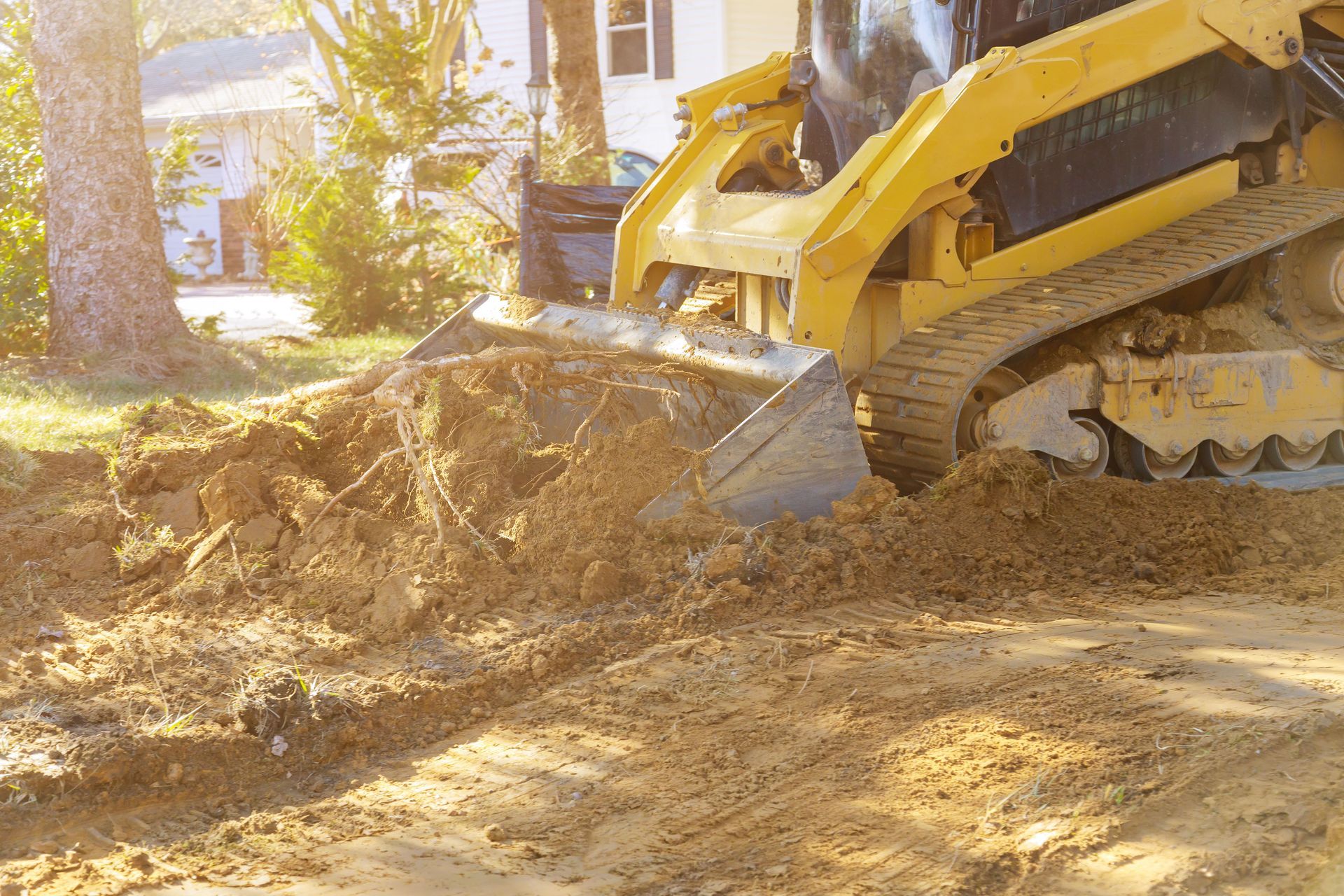
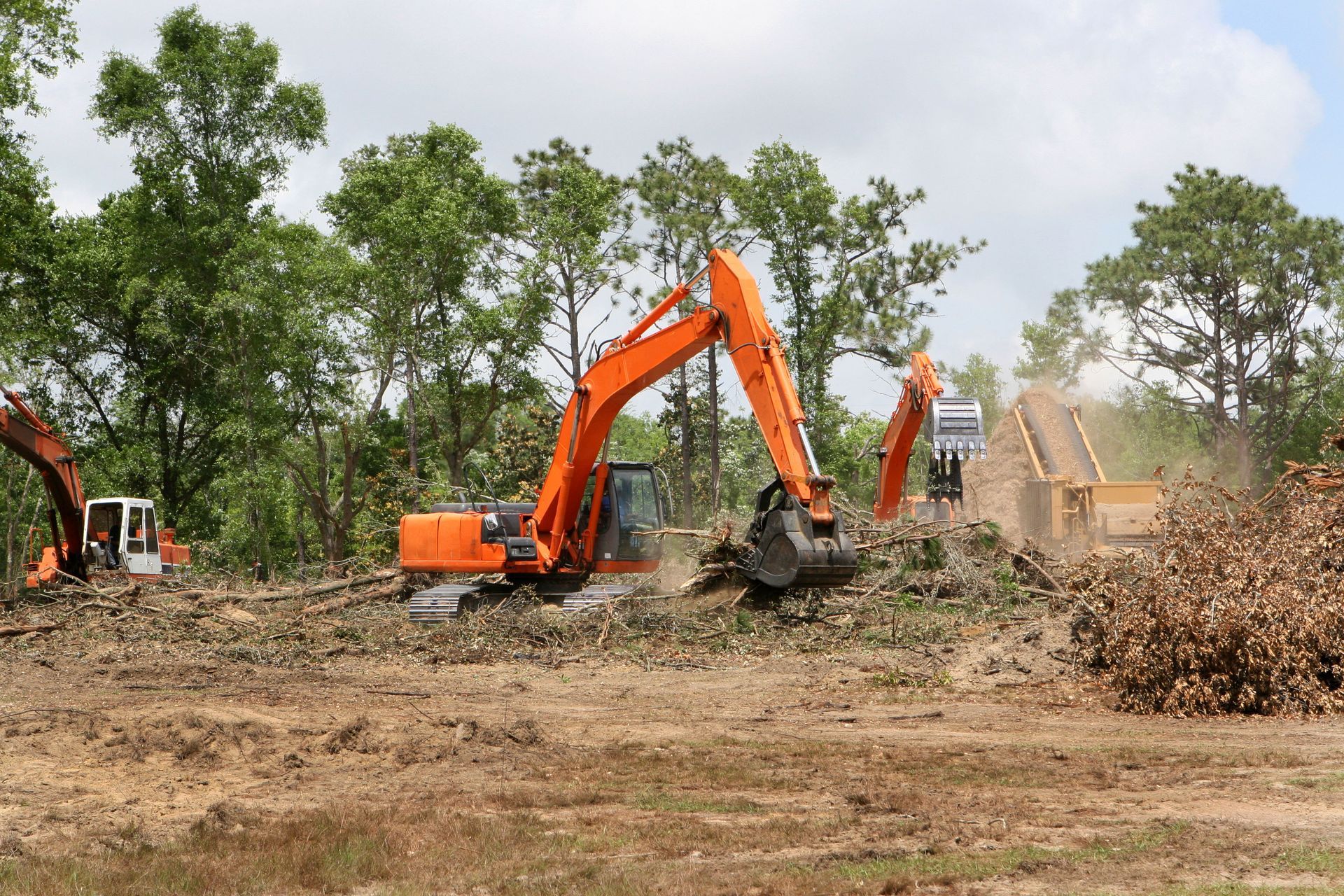
Site clearing and land preparation represent the absolute first physical stages of any modern construction initiative. Initially, this complex process involves the systematic removal of dense surface vegetation, overgrown brush, deep tree roots, and large boulders that could physically interfere with structural foundation digging or heavy equipment access. Specialized machinery, including heavy track bulldozers, forestry mulchers, and soil compactors, is typically deployed to clear the acreage efficiently. Every stage of physical land clearing must be meticulously planned to align with civil engineering blueprints and environmental protection zones.
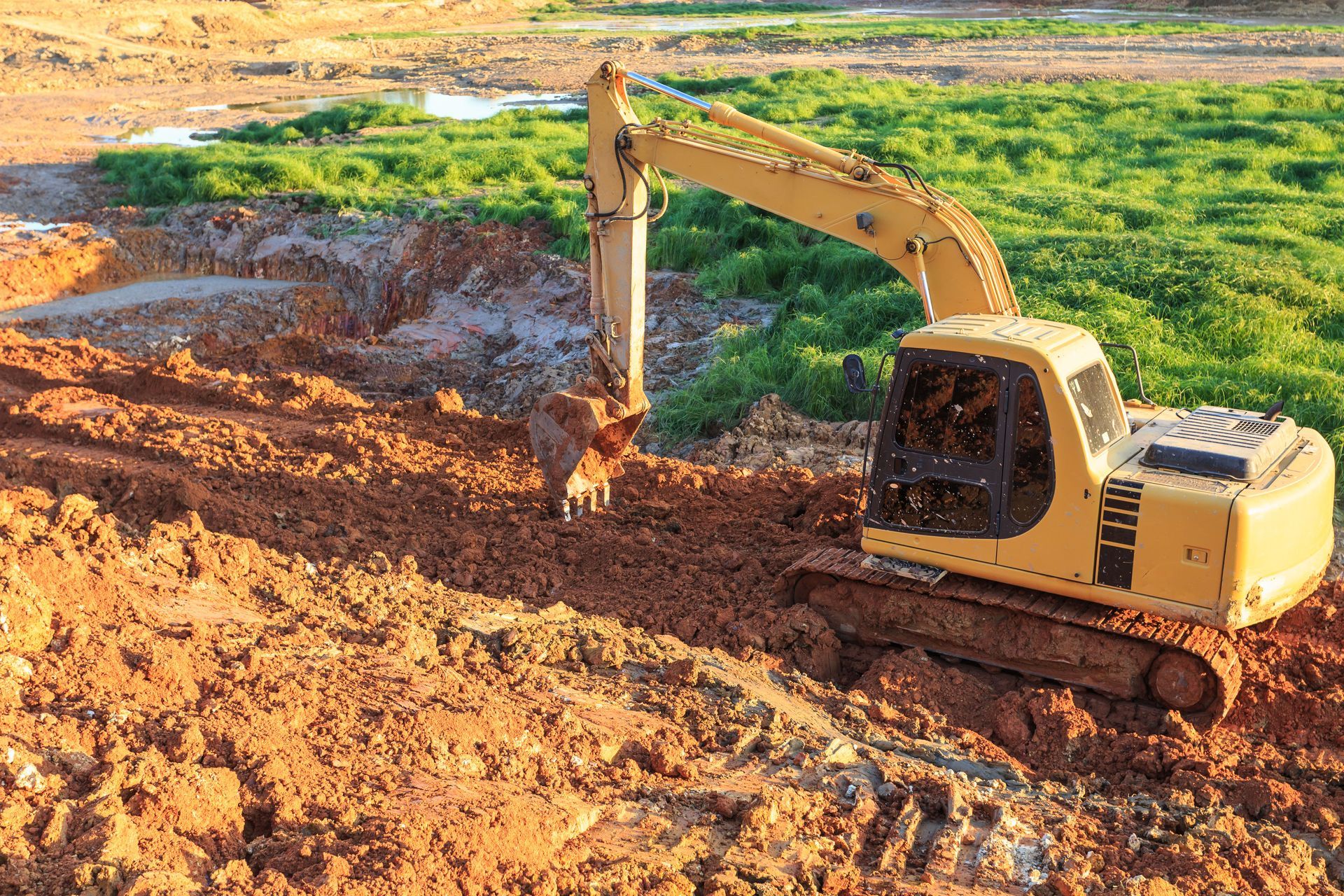
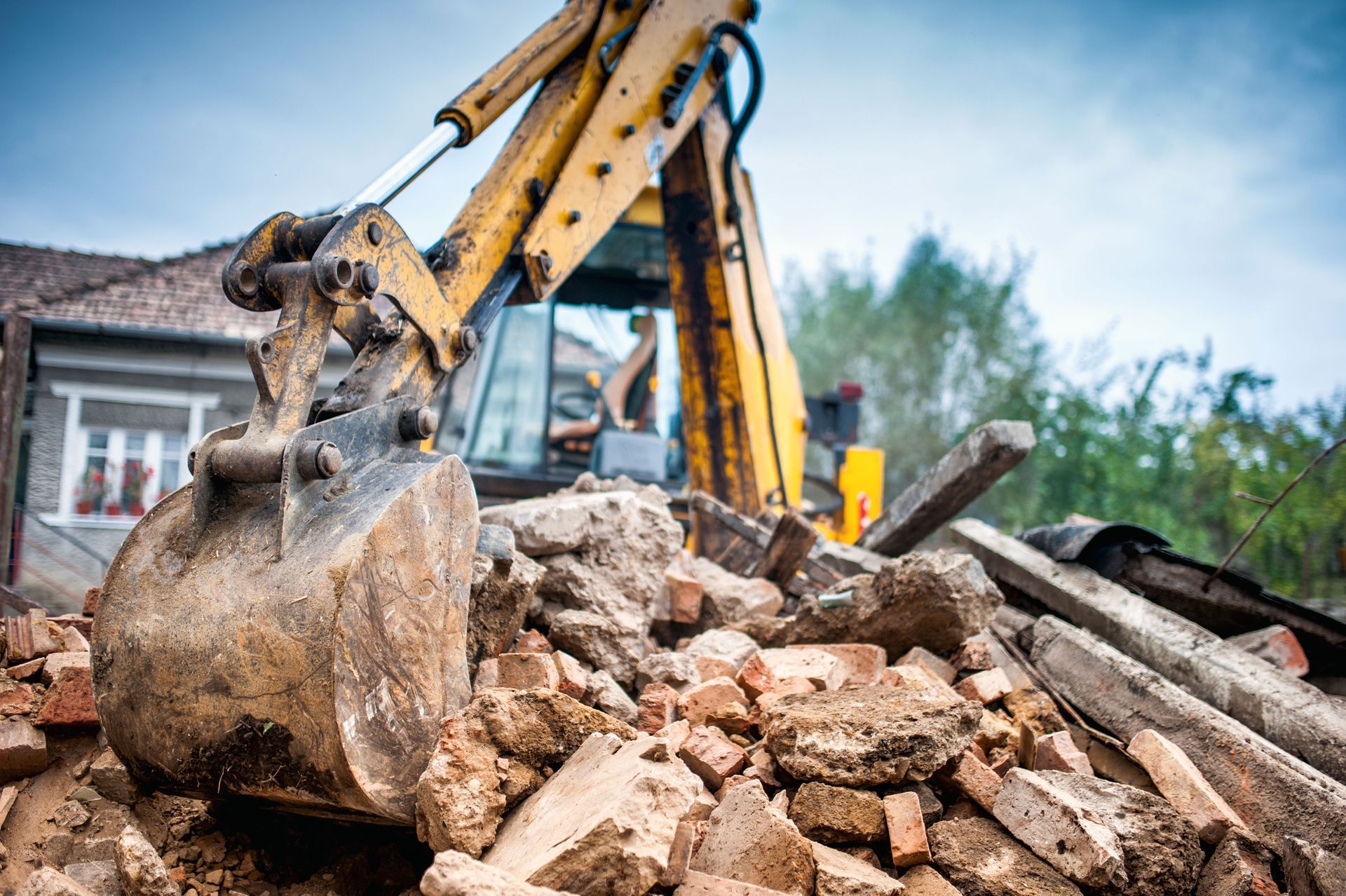
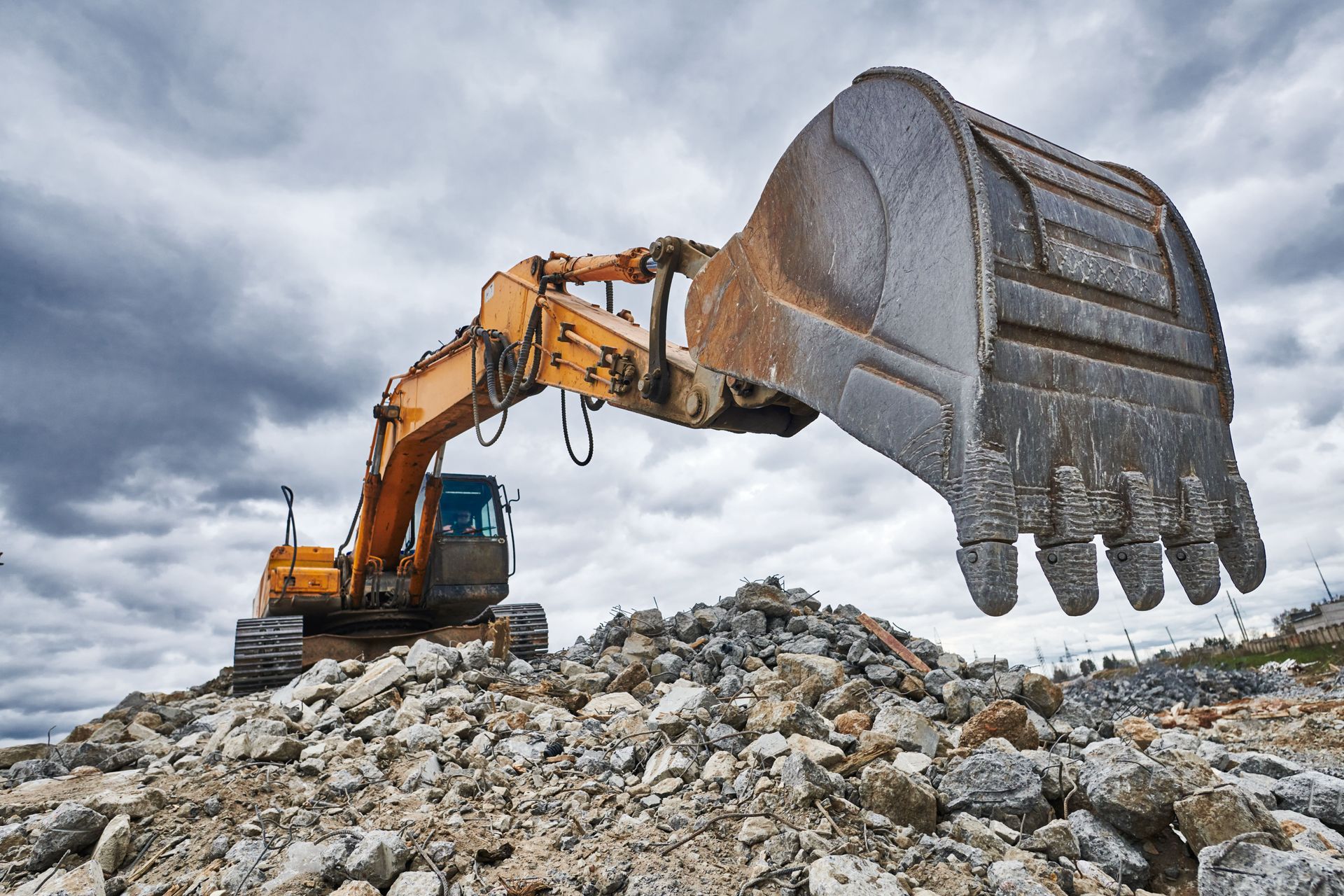
Beyond basic vegetation removal, comprehensive debris clearing and obstacle management are pivotal elements of successful site preparation. Experienced field crews utilize heavy excavators, wheel loaders, and articulated haul trucks to eliminate buried rocks, concrete rubble, abandoned structures, and organic waste from the property boundaries. Removing these subsurface impediments prevents future structural settling, avoids equipment breakdowns, and lays a clean groundwork for smooth earth-moving operations. Partnering with a skilled earth-moving professional guarantees that this initial clearing phase is executed with total safety, regulatory compliance, and structural precision.
Excavation for Foundations
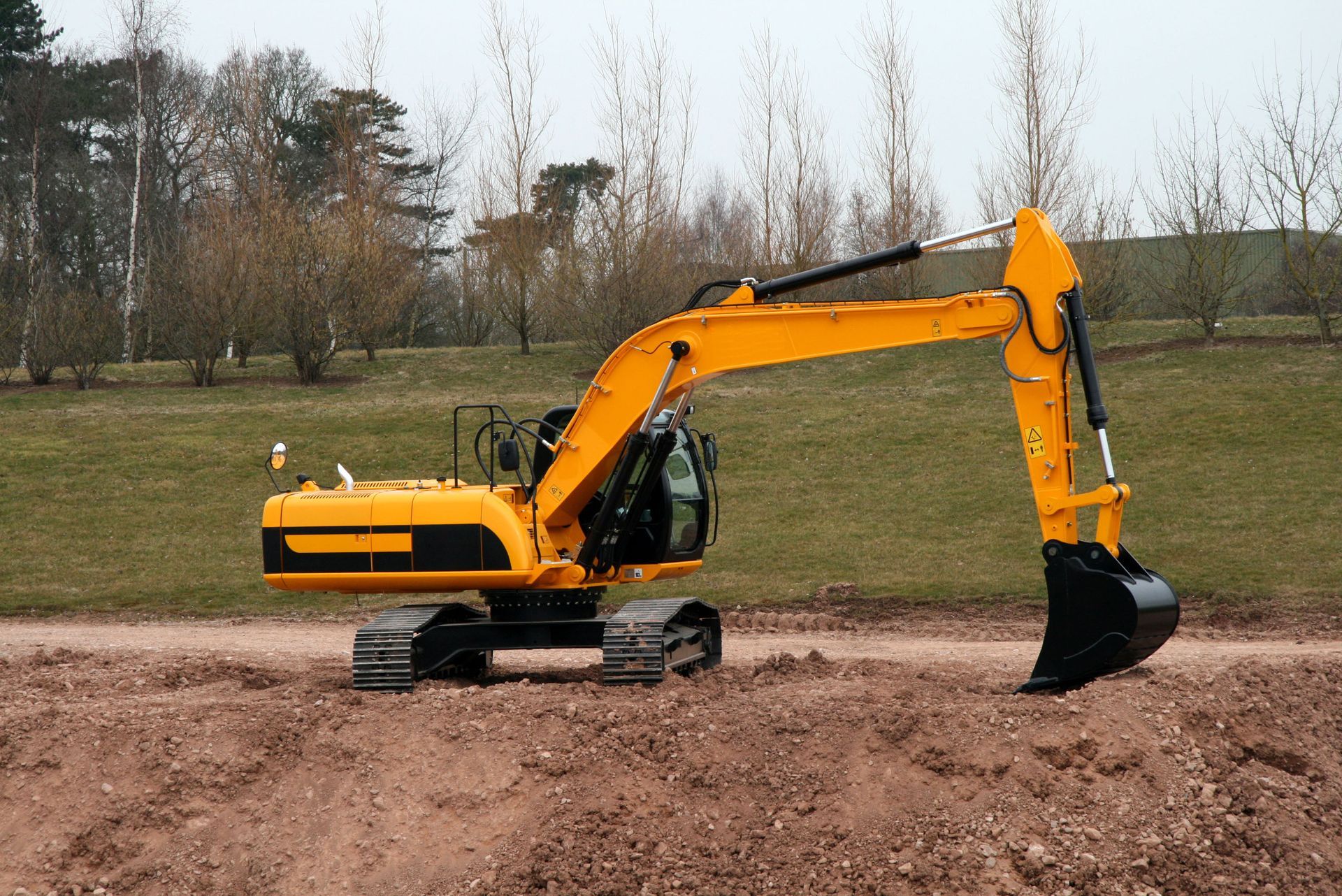
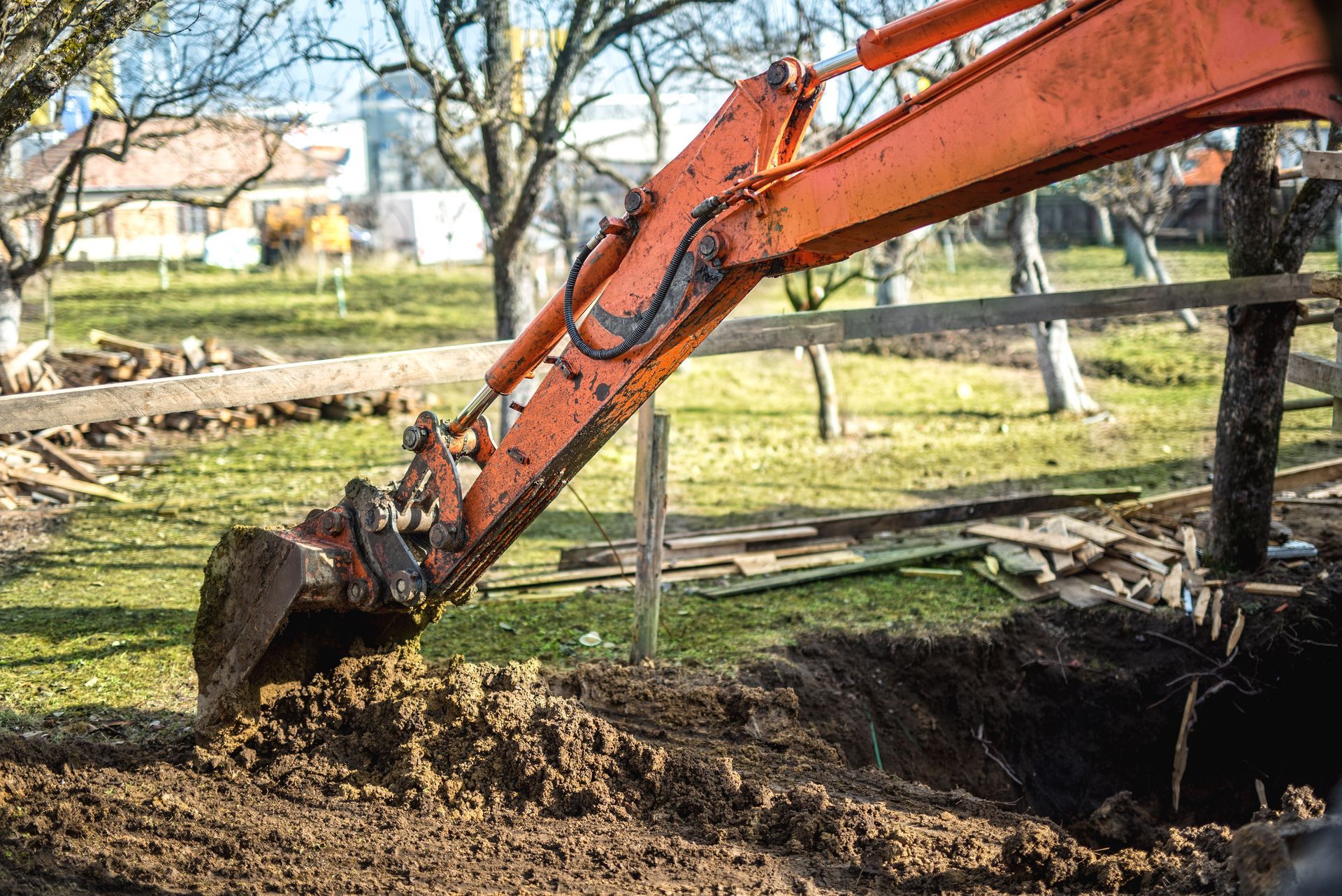
Foundation digging is a highly technical process that demands extreme spatial precision, GPS guidance, and skilled equipment operation. Before building footings can be poured, deep utility trenching must be completed to ensure essential municipal services, including water mains, sanitary sewer pipes, electrical conduits, and natural gas lines, are properly integrated into the build. Precise trenching for utility infrastructure is crucial, as improper depth or incorrect slope grading can lead to severe structural interference, drainage failures, or hazardous utility strikes. Experienced machine operators work closely with land surveyors to ensure every trench satisfies strict municipal codes.
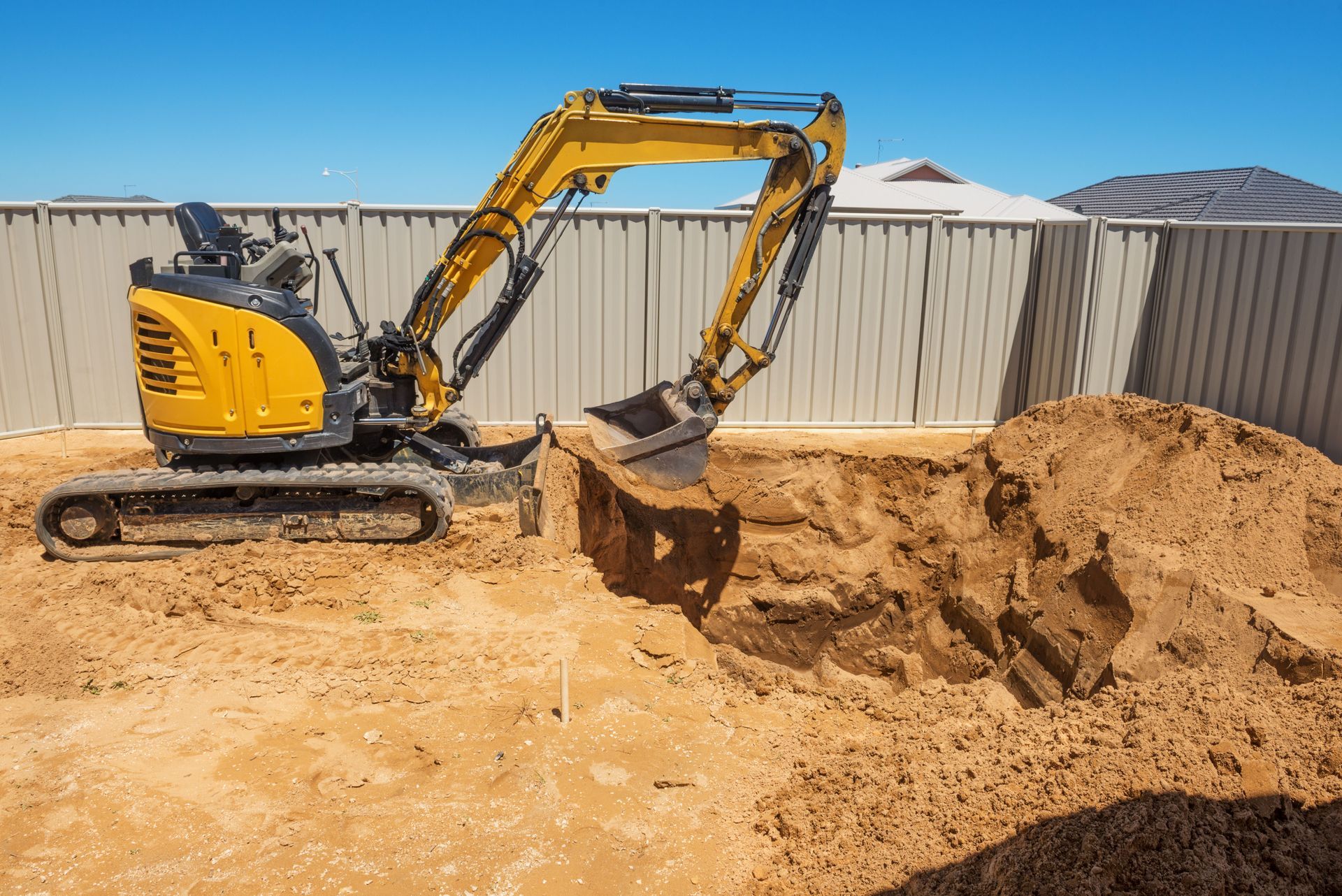
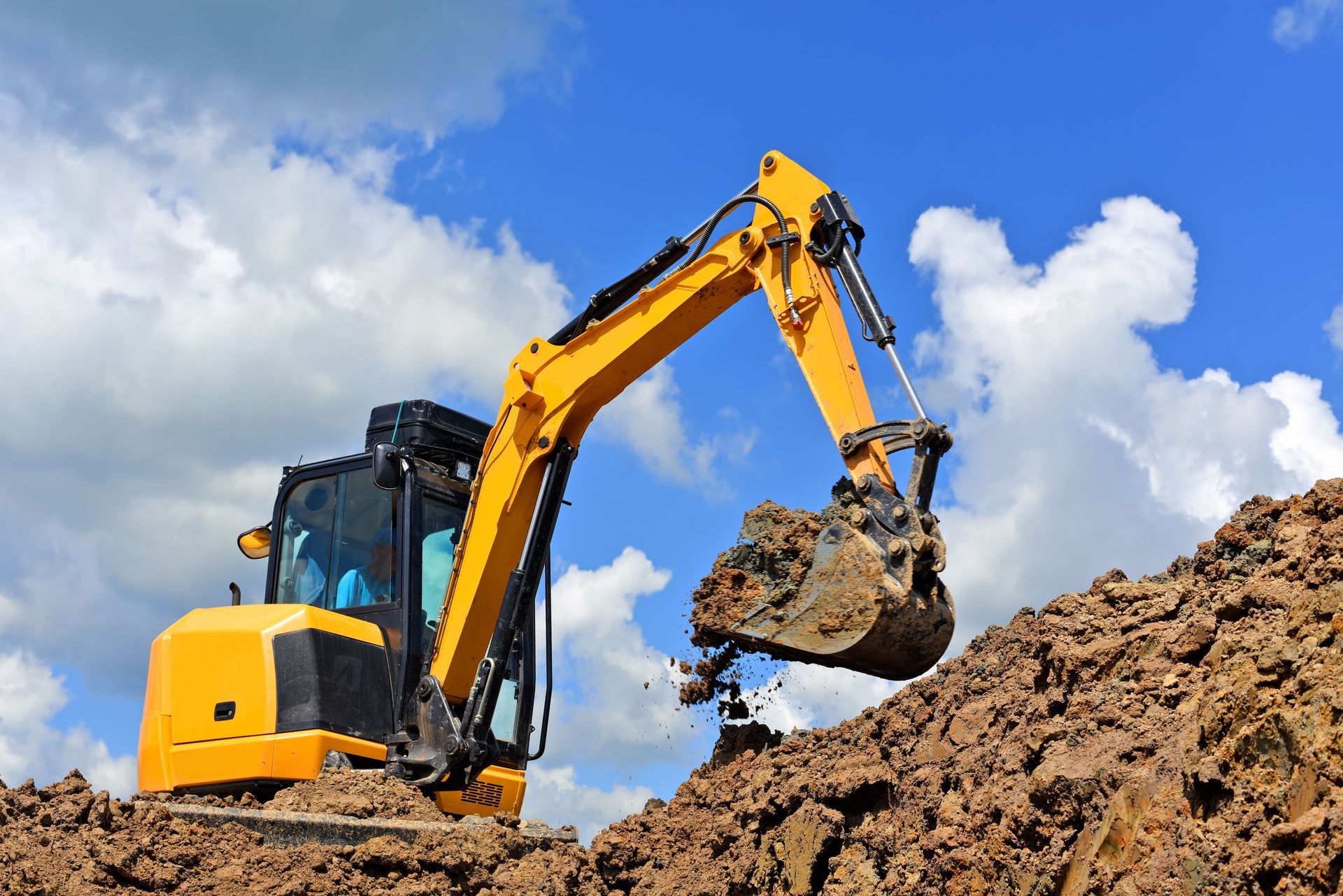
Basement excavation is another primary responsibility that requires specialized heavy machinery and meticulous depth management. This process involves the safe extraction and removal of massive volumes of soil to create deep, level sub-structures for residential basements, commercial underground parking, or multi-level foundations. Earth-moving specialists must carefully account for fluctuating soil density, ground water levels, and weather conditions during heavy digging. Achieving exact dimensional tolerances during deep foundation digging preserves the structural integrity of the surrounding earth and prevents uneven foundation settling.
Erosion and Sediment Control
Comprehensive erosion and sediment control is a legal and environmental responsibility for every modern earth-moving operator. Uncontrolled surface runoff during heavy rainstorms can wash away loose topsoil, compromise structural slope stability, and pollute neighboring waterways with heavy silt. To mitigate these risks, contractors install durable silt fences along lower property perimeters. These geotextile fabric barriers effectively filter sediment out of migrating surface water, keeping soil anchored on-site while satisfying strict environmental regulations.
Constructing engineered sediment basins is another critical technique for controlling high-volume surface water runoff across expanded building sites. By temporarily collecting and holding storm runoff, these engineered retention basins allow heavy soil particles to settle naturally to the bottom before clarified water is slowly discharged into municipal storm drains. Implementing sediment basins on large commercial developments prevents severe site washing, protects adjacent properties from mud displacement, and maintains total compliance with regional environmental protection standards.
Site Utilities Placement
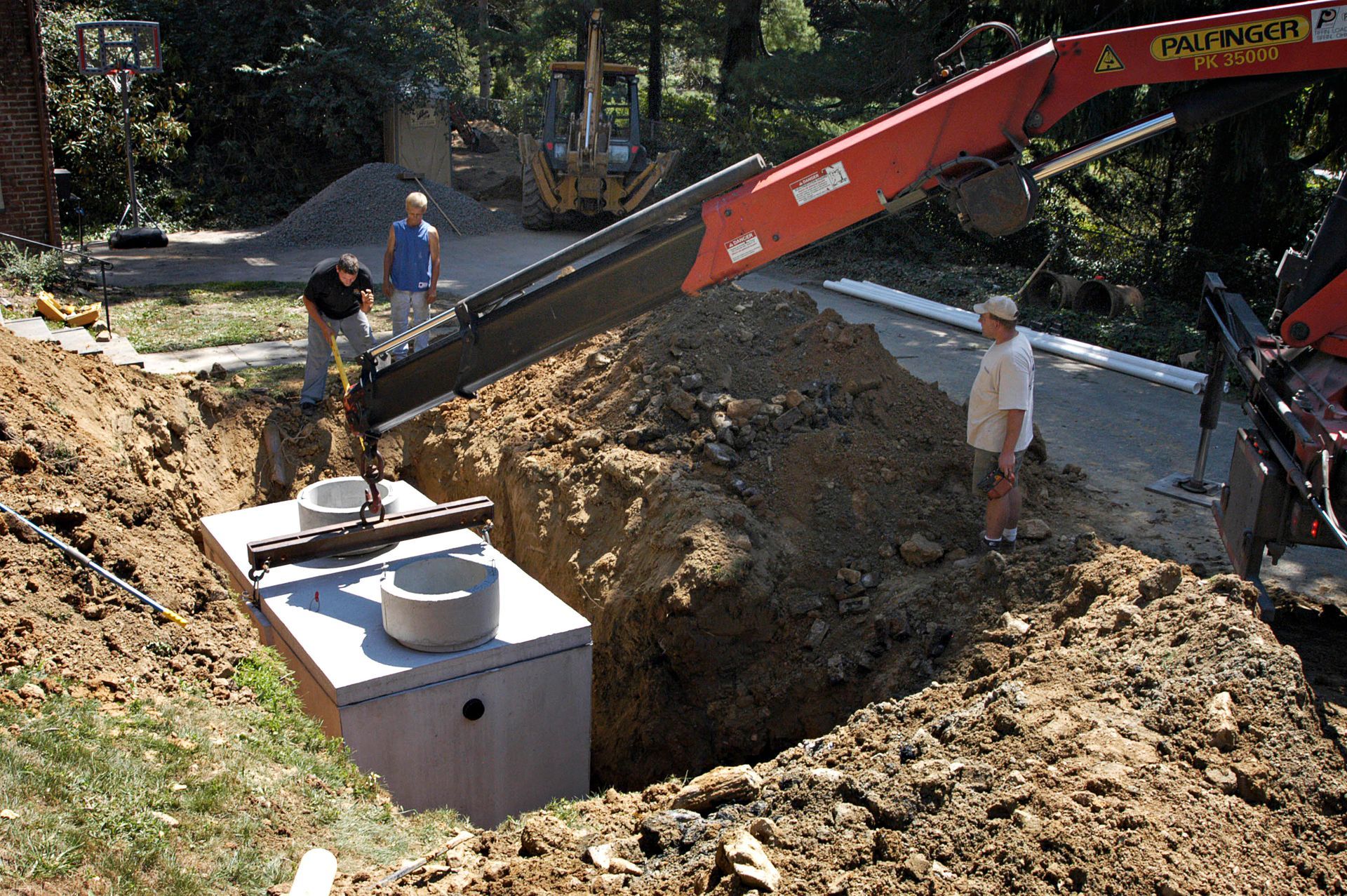
The precise installation of subterranean site utilities forms an essential bridge between raw land preparation and vertical building construction. Digging clean, accurately sloped trenches for municipal water mains, fire protection lines, and sanitary sewer connections requires high-level operator expertise. Excavation contractors must carefully manage trench bedding, pipe slopes, and granular backfill to prevent future pipe sag or structural leaks. Proper utility placement prevents costly utility re-digs and ensures that the completed structure enjoys reliable water services for decades.
Installing heavy electrical conduits, telecommunications lines, and primary power vaults demands equal attention to safety and dimensional accuracy. Field teams dig secure, level trenches lined with approved sand bedding to cushion sensitive PVC conduit pipes before backfilling. Maintaining proper physical separation between high-voltage electrical lines, gas mains, and domestic water pipes is vital for preventing cross-utility hazards. Precision utility trenching safeguards site workers during construction and ensures long-term operational reliability for end users.
Integrated storm drain systems, including catch basins, concrete culverts, and underground detention chambers, are vital for managing long-term storm runoff. Professional contractors carefully calculate site elevations to install storm piping that efficiently channels rainwater away from concrete foundations and paved parking surfaces. As shifting climate patterns produce more severe localized rainstorms, engineered stormwater infrastructure becomes increasingly crucial for protecting structural investments and preventing major property flooding.
Road and Driveway Construction
Constructing durable access roads, commercial parking lots, and residential driveways begins with heavy subgrade preparation and deep soil compaction. The raw subgrade serves as the primary foundational load-bearing layer beneath all subsequent crushed stone base and asphalt courses. Earth-moving teams utilize heavy motor graders, vibratory rollers, and laser-guided grading systems to compact native soil to precise engineering density specs. Proper subgrade preparation guarantees that heavy construction traffic will not cause severe rutting or pavement failure later.
Once the subgrade is fully compacted, contractors install a thick aggregate base layer composed of dense crushed stone and gravel. This engineered base layer distributes heavy vehicular axle loads evenly across the subgrade, providing crucial structural support and moisture drainage beneath the upper paving surface. Operating heavy compaction equipment to achieve uniform base density is essential for preventing future potholes, surface cracking, and localized road depression.
The final phase of access roadway construction involves laying down smooth asphalt or reinforced concrete paving courses tailored to expected traffic volume. Asphalt offers flexible durability and cost-effective surface maintenance, making it ideal for high-volume parking areas, while thick poured concrete provides superior weight-bearing capacity for heavy delivery docks. Regardless of the chosen paving material, precision grading ensures correct water drainage away from road crowns, creating a resilient, long-lasting surface for all vehicular traffic.
A fully capable site development specialist delivers a wide array of specialized earth-moving, utility installation, and land stabilization services that are absolute necessities for modern building success. By expertly managing everything from initial land clearing and foundation digging to complex stormwater infrastructure and structural demolition, these heavy equipment professionals establish the solid structural base required for durable construction. According to Construction Coverage, while nearly half (46%) of new single-family homes in 2024 were completed within the typical four- to six-month window, a growing share—13%—took more than 13 months to finish, up from 9% in 2019. Utilizing an experienced team prevents costly site delays and ensures your build moves forward on schedule. When you are ready to prepare your next building parcel with precision, reliability, and modern heavy equipment, contact your trusted local excavation contractor today to schedule a comprehensive site evaluation!
Share On: