5 Questions to Ask Before Choosing a Local Excavation Contractor
Hiring the right local excavation contractor is one of the most important steps in preparing any construction or improvement project. Excavation is the foundation of nearly all structural work, so choosing the right partner influences everything that comes after it. Whether you are planning a new home build, installing utilities, improving drainage, or preparing land for an addition, the quality of the excavation determines the stability and safety of the entire project. Many property owners feel overwhelmed when trying to select a contractor because excavation involves specialized knowledge, safety rules, and detailed site planning. Fortunately, asking the right questions can make the process much clearer and help clients gain confidence as they move forward. This blog explores five key questions every homeowner or project manager should ask to make an informed decision and establish a strong working relationship with their contractor.
Choosing a qualified professional provides far more value than simply digging soil. An experienced local excavation contractor understands soil behavior, grading requirements, drainage patterns, underground utilities, and municipal regulations. This level of knowledge plays a major role in avoiding issues that could lead to delays or structural problems later on. Because excavation is the first physical step of a project, getting it right from the beginning prevents complications and ensures a smoother construction experience overall. Asking the right questions helps reveal a contractor's skills, communication style, and approach to handling challenges. It also helps clients understand what level of service and professionalism they can expect from the start.
1. What Type of Experience Do You Have?
The first question to ask focuses on the contractor's experience in the excavation industry. Excavation is a broad field that covers site clearing, grading, trenching, utility installation, foundation preparation, drainage improvement, and much more. Because different projects require different skillsets, it is important to understand whether the contractor has handled jobs similar to yours. An experienced local excavation contractor can explain how their past work prepared them for your specific project and what steps they will take to ensure clean, accurate results.
Experience also extends to the contractor's understanding of local soil conditions and environmental factors. Soil types vary greatly between regions, and even within the same property, certain areas may contain rock, clay, sandy soil, or layers that require special consideration. Contractors who have spent years working in your area usually have valuable insight into these conditions. They know what challenges to expect before the equipment even arrives on site. This level of familiarity often leads to more efficient and predictable outcomes.
When discussing experience, it is also beneficial to learn about the crew who will be performing the work. Even if a contractor has decades of personal experience, the team operating machinery and assisting with daily tasks must also be well-trained. A reliable excavation crew works together smoothly, communicates well, and understands the importance of precision.
2. What Equipment and Techniques Will Be Used?
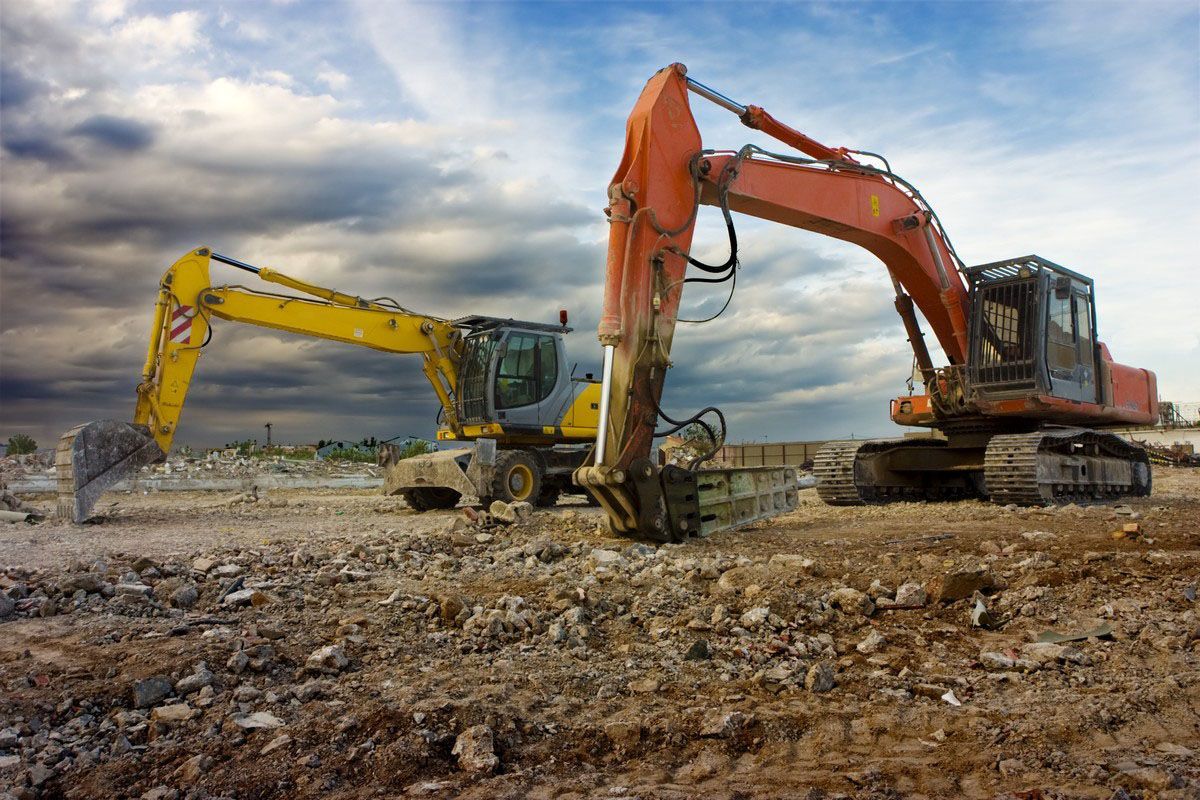
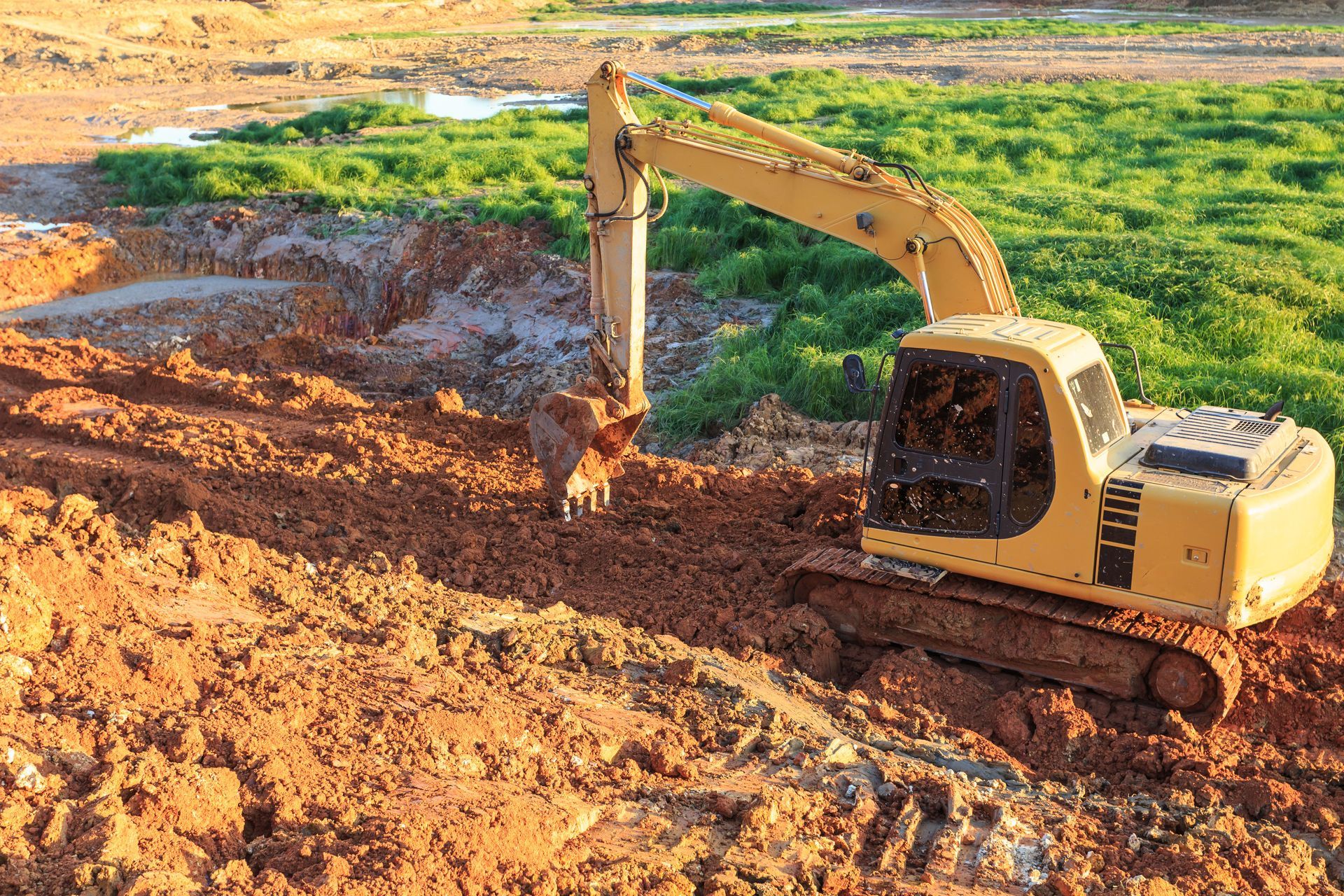
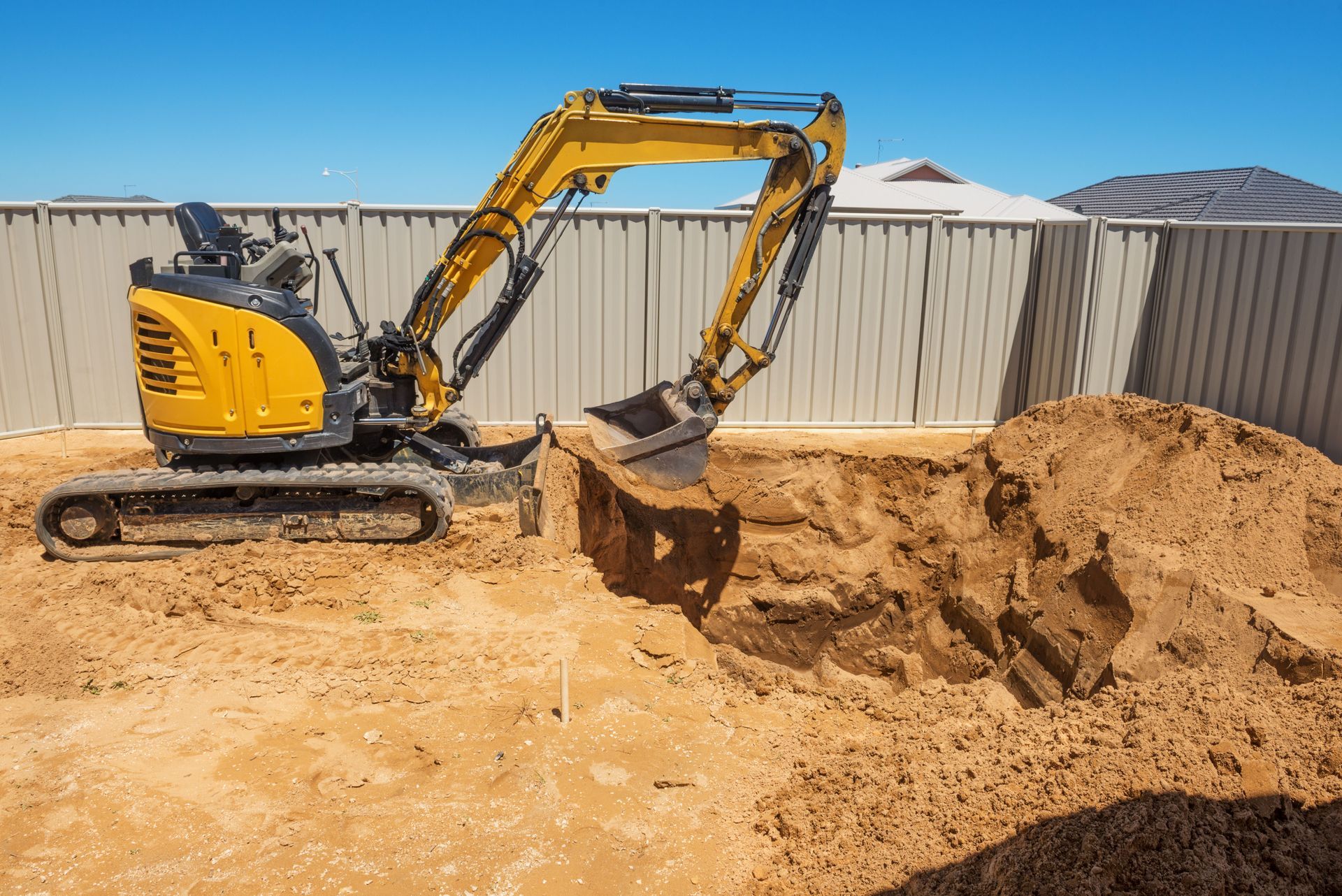
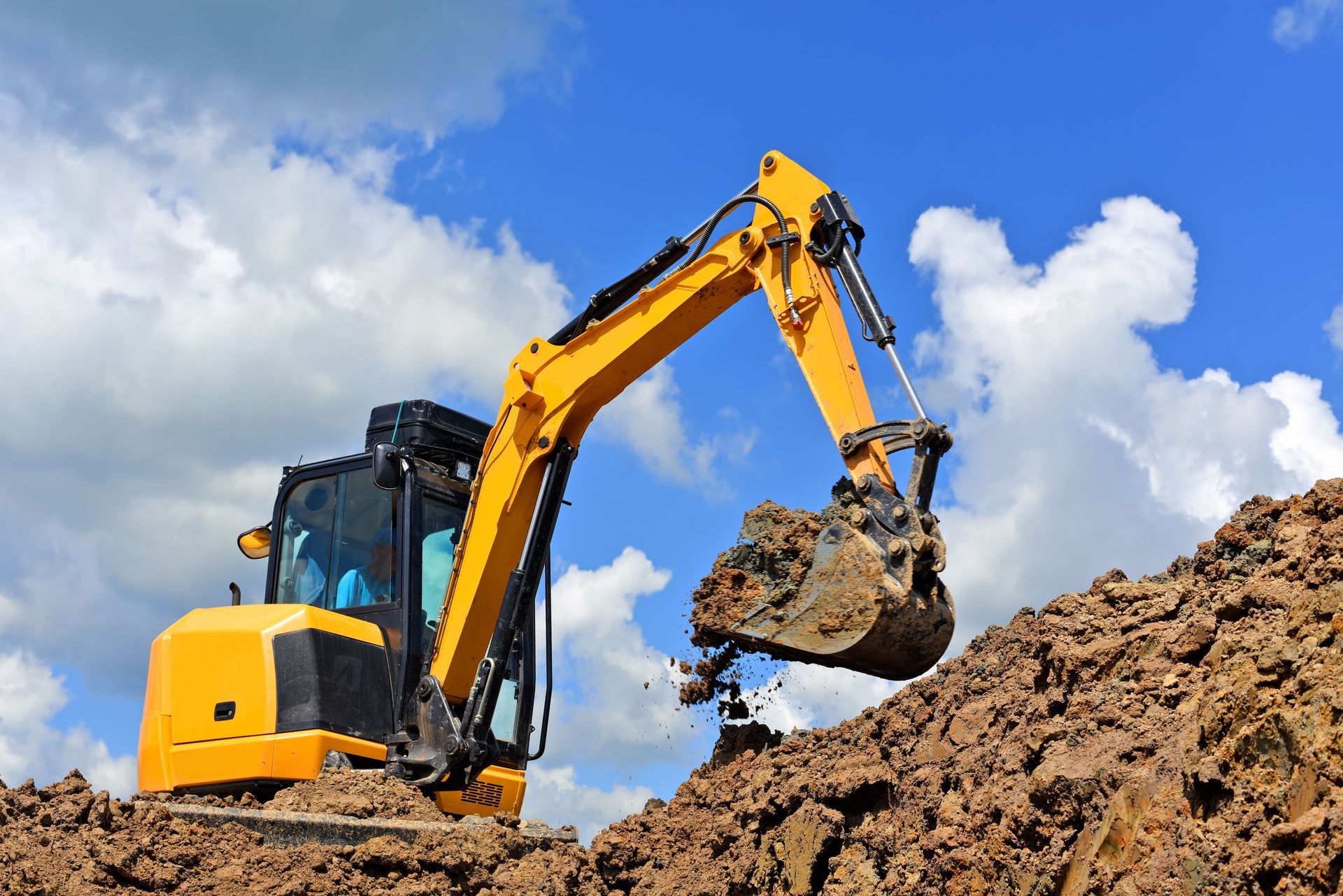
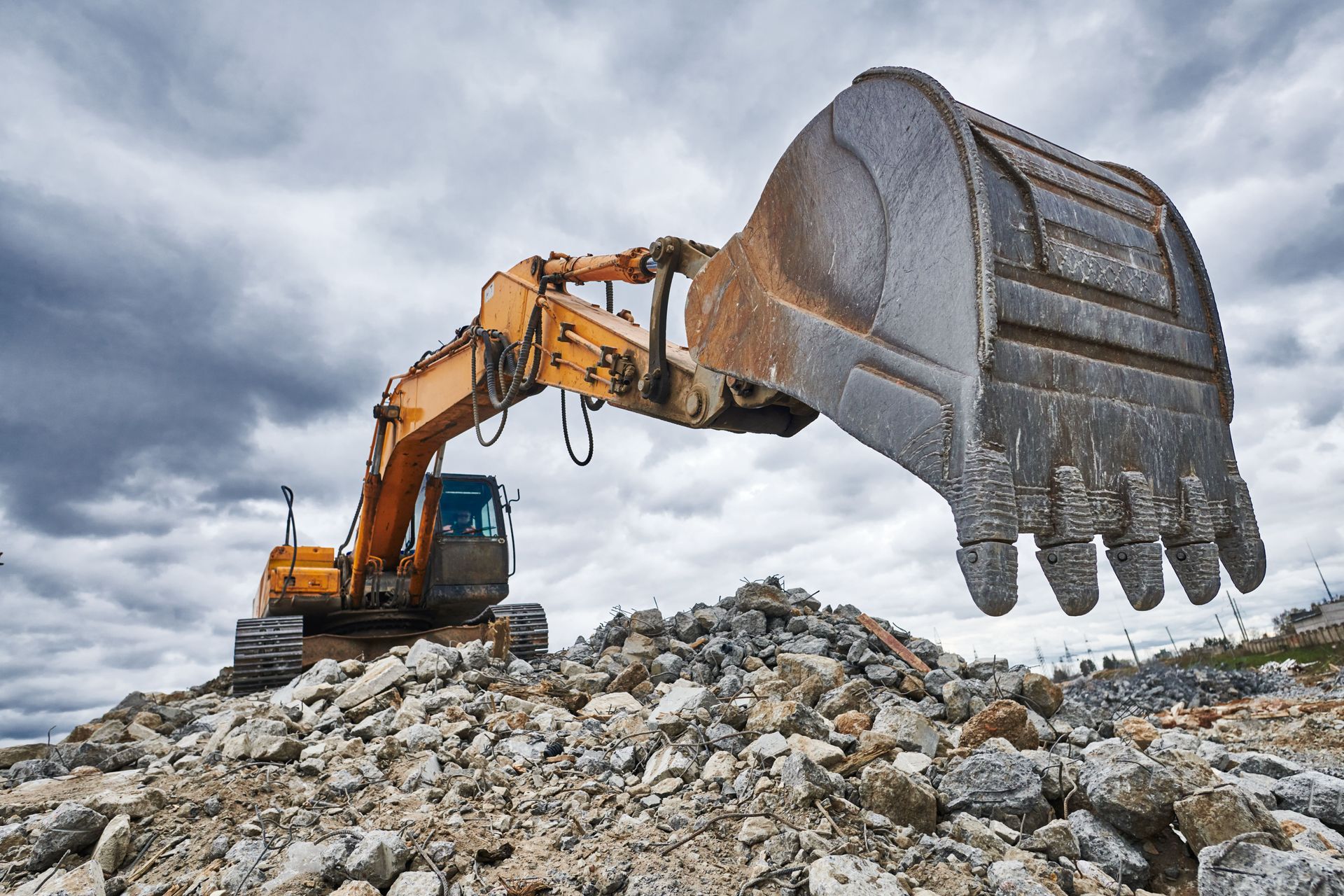
Understanding the machinery and techniques the contractor uses is another essential part of the decision-making process. Excavation requires specialized equipment that must match both the size of the project and the characteristics of the site. A qualified local excavation contractor will explain what type of machinery they plan to use and why that equipment is the best choice. For example, compact excavators may be appropriate for tight urban spaces, while larger machines may be more efficient for expansive rural properties.
The contractor's ability to adapt equipment to unique site conditions is also important. Certain terrains require special attachments or techniques to ensure safe and accurate excavation. Grading work may involve laser leveling systems to guarantee precision, while trenching may require narrow buckets that maintain structural integrity in unstable soils. Contractors who invest in high-quality, well-maintained equipment usually demonstrate a commitment to reliability and safety.
Techniques also play a significant role in the finished product. The methods used to handle soil, manage moisture levels, create slope grades, and prepare foundations all affect the long-term durability of the structure being built. A knowledgeable contractor can describe how they approach each stage of the process, from initial site preparation to final grading.
3. How Do You Manage Safety and Regulations?
Excavation involves strict safety protocols because of the hazards associated with trenches, heavy equipment, and unstable soil. Understanding how a contractor approaches safety is one of the most important considerations when hiring. A trustworthy local excavation contractor will openly discuss their safety procedures, training programs, and compliance practices. They should be able to explain how they assess hazards, monitor conditions, and protect workers throughout the entire project.
In addition to general safety practices, contractors must follow state and federal regulations related to excavation. These rules often involve trench protective systems, utility marking, erosion control, and environmental protection. The fact that OSHA requires protective systems for trenches more than five feet deep, according to Urbint, highlights how crucial safety planning is in excavation work. A contractor who understands these regulations helps ensure that the project proceeds smoothly without costly violations or delays.
Permitting is another important part of regulatory compliance. Many municipalities require permits for excavation, grading, or utility installation. Contractors who regularly work in your area typically know which permits are needed and how to secure them efficiently. Clients benefit from choosing someone who understands these local requirements and can guide them through the process without unnecessary stress.
4. How Do You Communicate Throughout the Project?
Communication plays a key role in any successful construction project. A reliable local excavation contractor will maintain open and consistent communication from the first consultation to the final site inspection. Asking about communication preferences helps clients understand how frequently they will receive updates, who will be their main contact, and how questions or concerns will be handled.
Clear communication is essential when unexpected issues arise. Excavation often reveals hidden obstacles such as buried debris, old utility lines, or soil inconsistencies. Contractors who maintain strong communication habits will explain these issues clearly and offer solutions without causing unnecessary worry. This transparency helps clients feel more involved and informed throughout the process.
A contractor's communication style also influences project efficiency. Misunderstandings can delay progress or lead to incorrect assumptions about timelines, costs, or project expectations. Contractors who take the initiative to clarify details and provide consistent updates help create a smoother process and reduce the likelihood of problems.
5. What's Your Approach to Project Planning and Timelines?
Excavation is a carefully structured process that involves coordination between equipment availability, crew scheduling, permit approvals, and weather conditions. A knowledgeable local excavation contractor will describe how they plan each stage of the project and how they manage unexpected changes.
Understanding the contractor's approach to scheduling helps clients anticipate the overall timeline for their project. While delays can happen, especially due to weather, a contractor with a clear plan is more likely to stay on track. This level of organization also reflects their respect for the client's time and budget.
Project planning also involves preparing the site, verifying utility locations, coordinating with other contractors, and inspecting soil conditions. These steps are essential for safety and accuracy. A contractor who takes time to plan thoroughly before beginning work is more likely to deliver high-quality results. Planning is one of the strongest indicators of professionalism in the excavation industry.
Choosing the right local excavation contractor is essential for ensuring a safe, stable, and successful project. Excavation lays the groundwork for everything that follows, so taking time to ask the right questions helps clients make informed decisions and avoid unexpected issues. By discussing experience, equipment, safety practices, communication, and planning, clients gain a clear understanding of a contractor's capabilities and professionalism. These conversations reveal whether the contractor is prepared to handle the unique needs of the project and whether they value transparency and quality.
If you're ready to start your next project with confidence, trust Katz Excavating & Construction LLC to deliver dependable service and quality results. Contact our team today to schedule a consultation and take the first step toward a safer, well-planned excavation.
Share On: