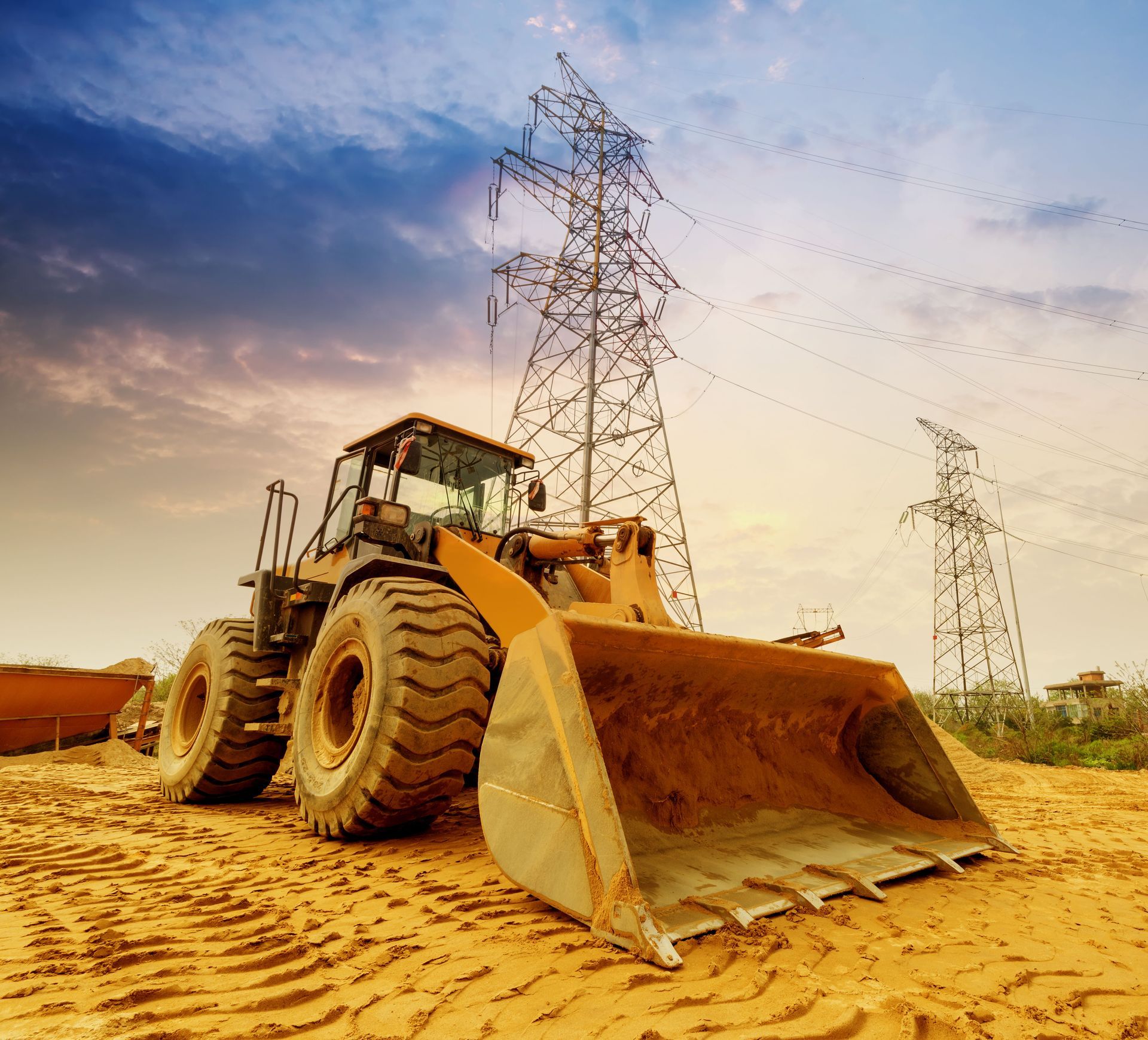
How Excavation Contractors Ensure Proper Site Drainage and Soil Stability
Construction projects depend on more than what is visible above the ground. The condition of the soil, the movement of water, and the preparation of the site can all affect how well a property performs over time. Proper planning during the early stages can help reduce concerns related to standing water, soil movement, erosion, and uneven surfaces. Excavation contractors play an important role in preparing land for stable conditions and effective drainage. Their work involves reviewing the site, understanding how water moves across the property, and preparing the ground to support future construction. This article explains how professional site preparation can improve drainage, support soil stability, and create a stronger foundation for long-term property use.
Evaluating Existing Site Conditions
Every property has different soil conditions, slopes, drainage patterns, and natural features. Before work begins, excavation contractors evaluate these factors to develop an approach that fits the site. A careful review can reveal areas where water may collect, soil may shift, or uneven ground may create future concerns. The condition of the soil is an important part of this process. Some soils hold water longer than others, while certain soil types may become less stable when exposed to heavy moisture. Existing vegetation, nearby structures, changes in elevation, and the overall shape of the land may also affect planning. Professional evaluations provide a clearer understanding of the site before major changes are made. Identifying possible concerns early can support better decisions throughout the project and reduce the need for unexpected adjustments later.
Planning Effective Water Movement
Water naturally moves toward lower areas, but the existing shape of a property may not always guide it away from important structures or heavily used spaces. Poor drainage can lead to standing water, soft ground, erosion, and damage to surrounding areas. Planning for water movement helps create conditions that support the long-term use of the property. Excavation contractors consider the slope of the land and the way water may travel during rainfall or periods of heavy moisture. The goal is to support controlled drainage while limiting the amount of water that remains near buildings, access areas, or other important parts of the site. Drainage planning may also account for the amount of water the property receives and how quickly the soil absorbs moisture. A site with compact soil may handle water differently from one with loose or highly absorbent soil. Reviewing these conditions allows the work to align with the natural characteristics of the land.
Grading Land for Better Drainage
Grading can change the shape and elevation of the ground to support proper water flow. Even small changes in slope can affect where water collects and how quickly it moves across a property. Careful grading can help direct water away from areas where excess moisture may create problems. During this stage, excavation contractors use site information to create slopes that support both drainage and stable ground conditions. The finished surface should work with the property's layout while supporting the needs of future construction or land use. Proper grading also helps reduce the risk of water remaining in low areas. When moisture stays in one location for extended periods, it may weaken the soil or contribute to erosion. A well-planned surface can encourage more consistent water movement and help maintain the condition of the site.
Managing Soil During Excavation
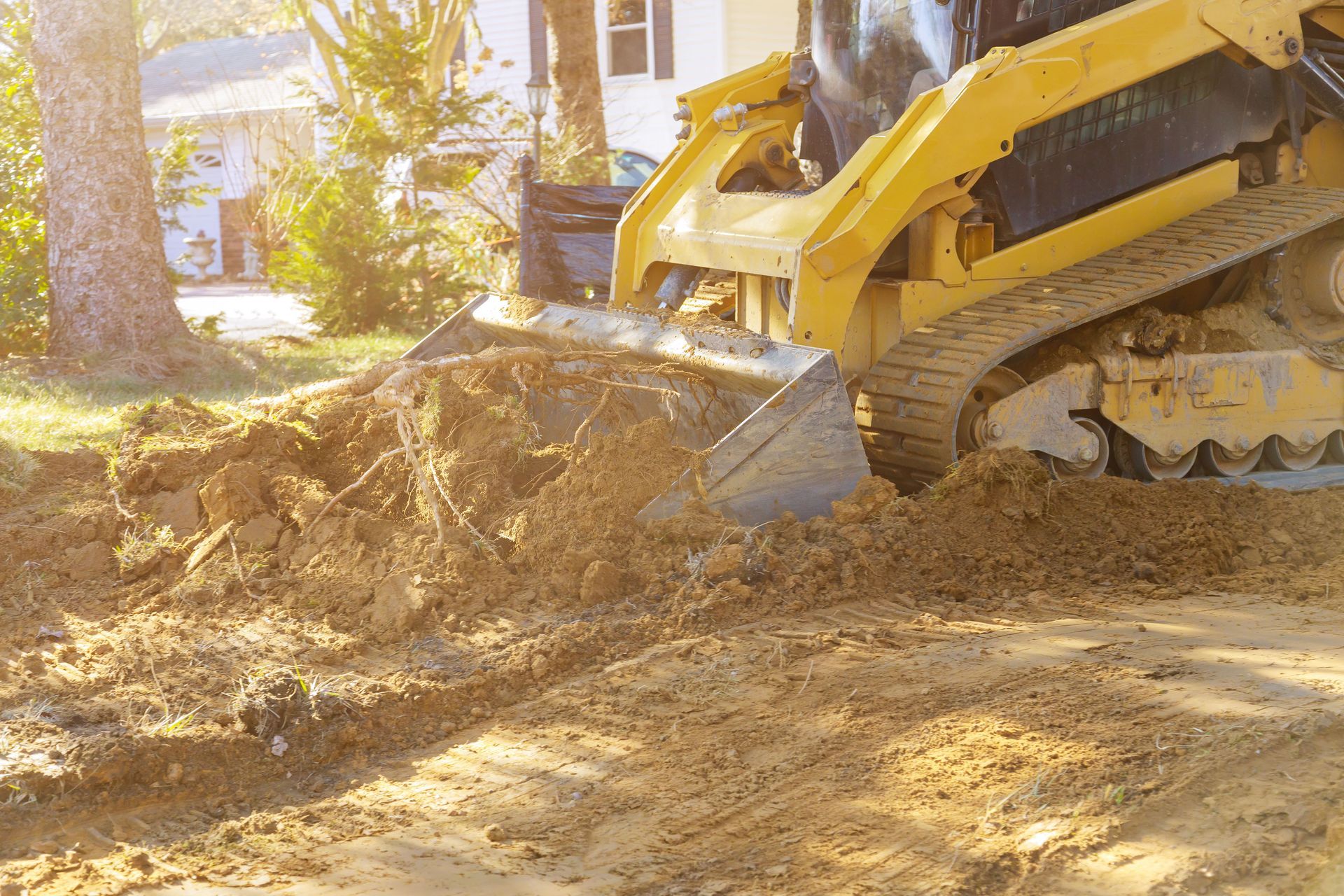
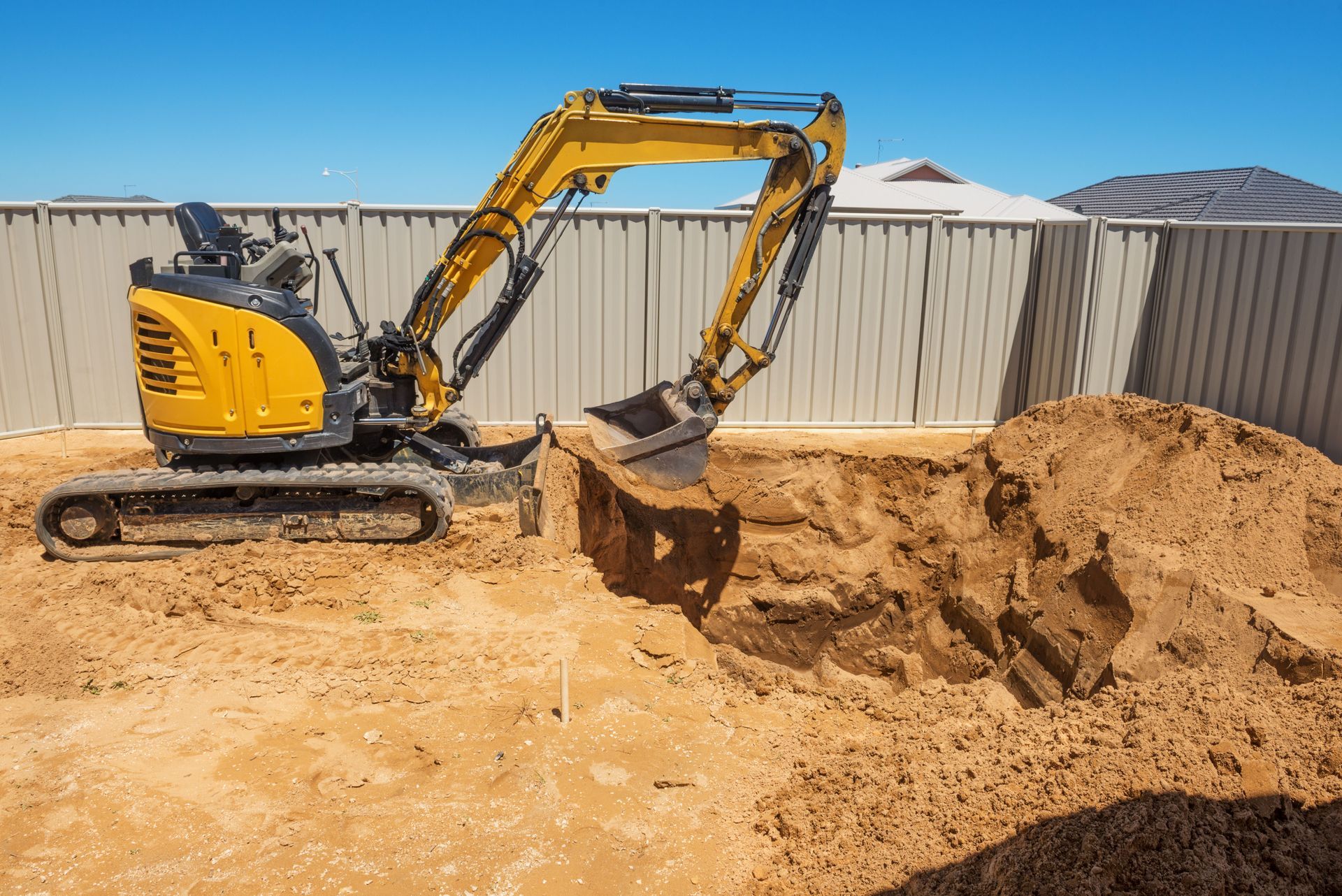
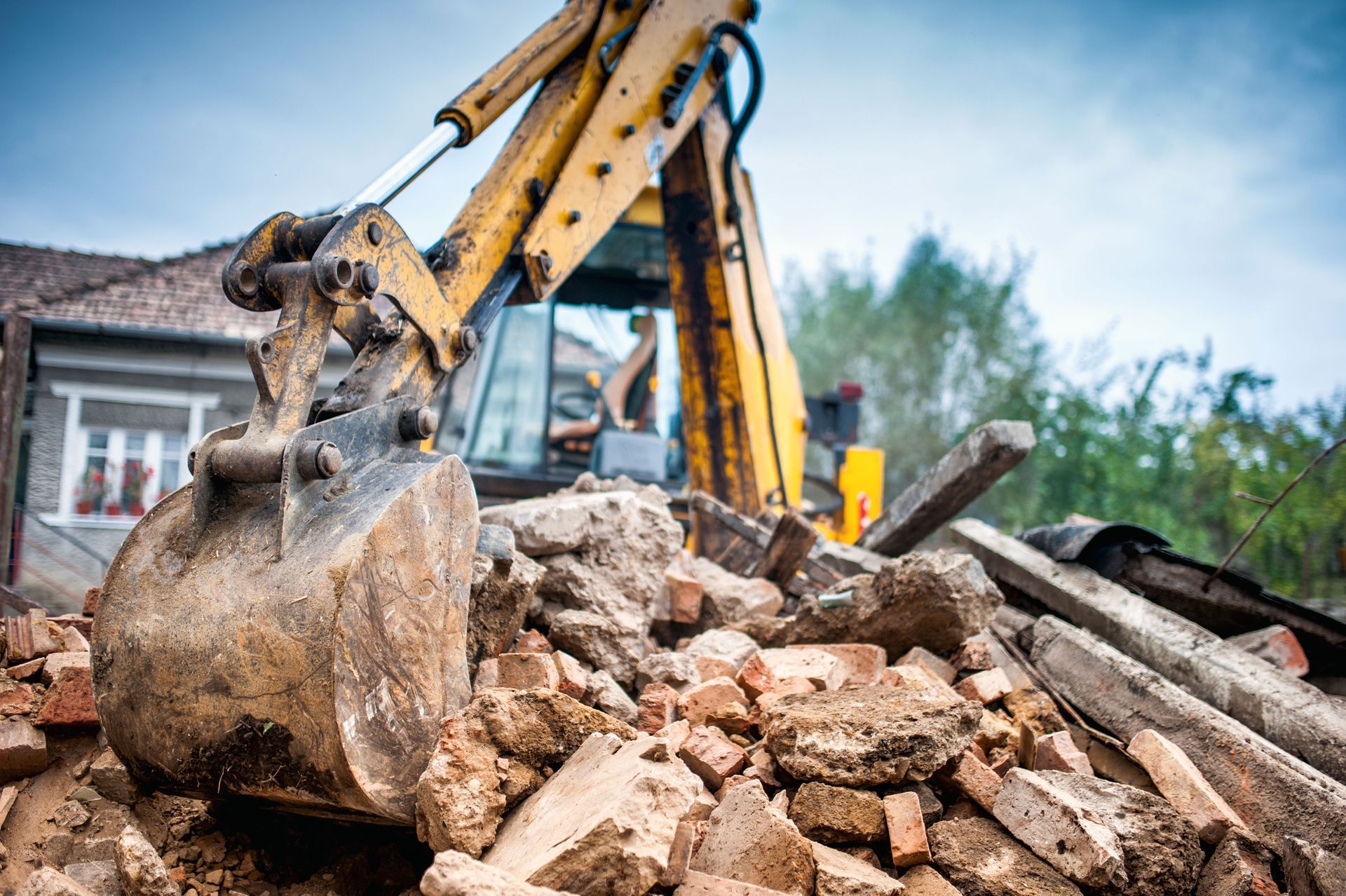
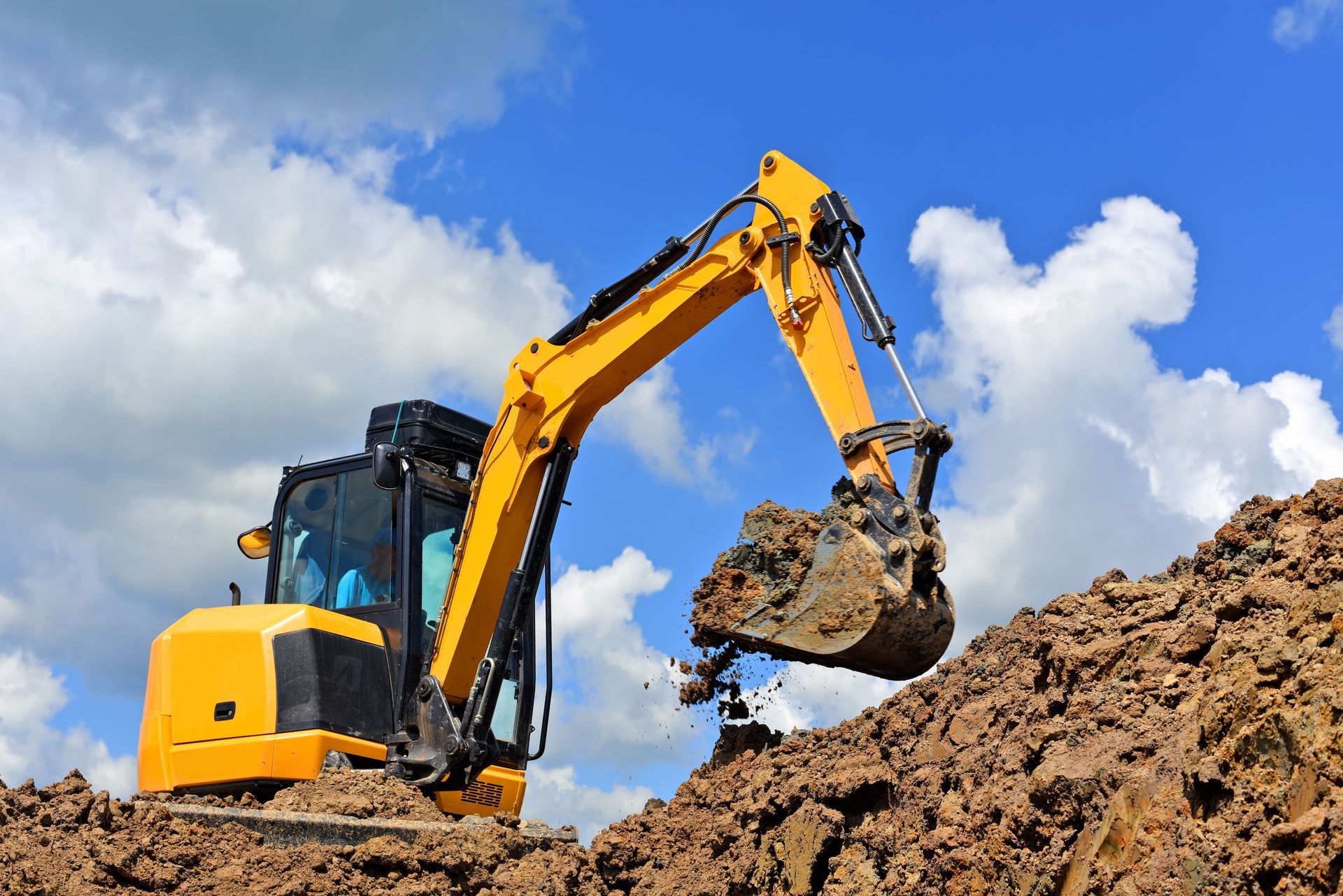
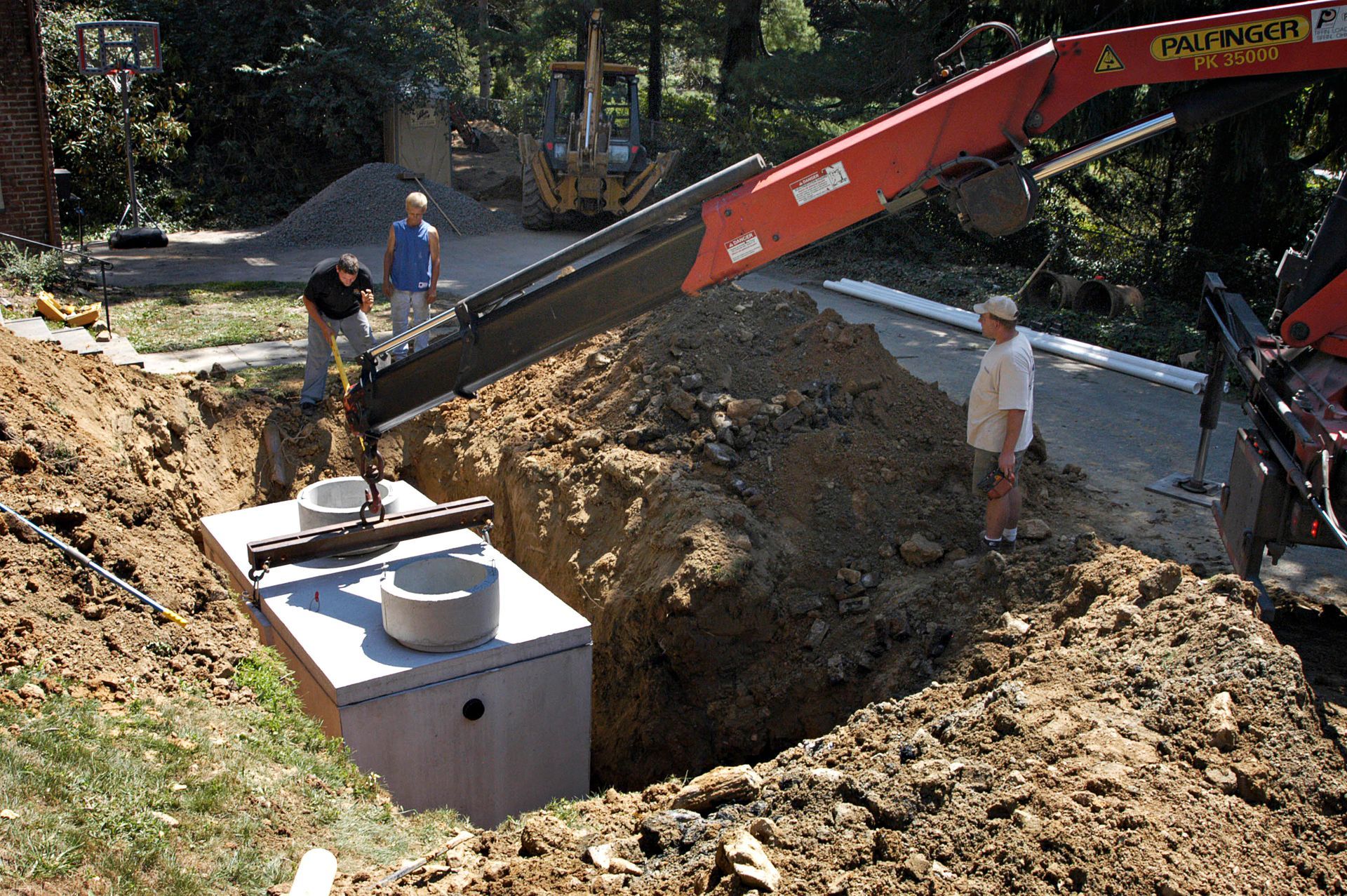
Excavation often requires soil to be removed, moved, or placed in another area. How that material is handled can affect site safety, drainage, and ground stability. Keeping excavated soil organized also helps maintain clear work areas and supports a more controlled project. According to OSHA, excavation teams should keep excavated soil and other materials at least 2 feet from trench edges. This distance helps reduce pressure near the excavation and lowers the chance of loose material falling into the trench. Maintaining clear space around excavation areas can also give workers better access while supporting safer site conditions. Soil may be stored temporarily, reused when appropriate, or removed from the property based on the project plan. Professional teams consider the amount and condition of the material when determining how it should be managed. Careful handling can help limit unnecessary disruption and keep the work area organized.
Supporting Stable Ground Conditions
Soil stability affects the performance of many parts of a property. Ground that shifts, settles unevenly, or holds too much moisture may create concerns over time. Preparing the soil properly helps create a more consistent base for future development. Excavation contractors evaluate the condition of the ground and identify areas that may require further attention. Loose soil, uneven layers, and excess moisture can affect how the land responds to weight and changing weather conditions. Addressing these factors during site preparation can support more stable conditions. Compacting soil may be part of the preparation process when the site requires a firmer and more uniform surface. This work helps reduce large air spaces within the soil and may limit uneven settling. The appropriate approach depends on the property, soil type, and planned use of the land.
Controlling Erosion and Soil Movement
Rainfall, flowing water, wind, and changes in ground elevation can gradually move soil from one area to another. Erosion may alter the shape of the property and affect drainage patterns. It can also carry loose soil into nearby low areas or drainage paths. Managing water flow is one way to reduce erosion concerns. When water moves across a site in an uncontrolled manner, it may wear away soil and create uneven surfaces. Planning the land around expected water movement can help limit these effects. Excavation contractors may also consider the condition of exposed soil during different stages of the project. Keeping the site organized and limiting unnecessary disturbance can help protect the ground while work is underway. Professional oversight allows changing site conditions to be reviewed as the project progresses.
Coordinating Work With Site Needs
Site preparation involves several connected factors. Drainage, soil conditions, elevation, access, and future construction plans may all influence the work. Coordinating these details helps create a more organized process and supports consistent results across the property. Excavation contractors communicate with project teams to keep site work aligned with the larger construction plan. This may include reviewing measurements, discussing changes in elevation, and preparing specific areas in the proper order. Clear coordination can reduce delays and help prevent work from interfering with completed sections. Weather conditions may also affect the project schedule. Heavy rain can change soil moisture levels and make certain areas more difficult to evaluate or prepare. Professional teams monitor site conditions and adjust the work when needed to support safe and effective progress.
Site conditions can change as excavation and construction continue. Rainfall, material movement, and changes in elevation may affect soil stability and drainage patterns. Ongoing monitoring helps identify concerns and determine whether adjustments are needed. Seeking professional help provides access to the knowledge and equipment needed to evaluate changing site conditions. Drainage and soil stability require careful planning because every property has different soil, elevation, and water movement patterns. Working with experienced excavation contractors can support proper site preparation, better drainage, and more stable ground. For guidance with site preparation and land conditions, contact Katz Excavating & Construction LLC to discuss your project with qualified excavation contractors.
Share On: